Transformation and Disruption Go Hand in Hand
The emergence of Artificial Intelligence (AI) has taken this transformation to a new level, bringing with it disruptive effects


reflects the interconnectedness of technological advancements and their impact on various aspects of business strategy. In today's rapidly evolving landscape, technology is playing a pivotal role in shaping decision-making processes and enabling CEOs to digitalize and transform their companies. However, the emergence of Artificial Intelligence (AI) has taken this transformation to a new level, bringing with it disruptive effects that are poised to create opportunities in the mergers and acquisitions (M&A) landscape.
AI's Disruptive Influence:
Artificial Intelligence has unleashed a wave of disruption, profoundly affecting companies and the broader economy. This disruption is catalyzing a surge in M&A activities as both corporate entities and private equity (PE) firms seek to either acquire new businesses or potentially divest existing ones to capitalize on the changing landscape. Over time, organizations have grappled with the growing skills challenge associated with executing acquisition strategies. Notably, AI has exacerbated this challenge, as the hunt for AI talent has become one of the most elusive quests in the talent market.
Transformation Beyond AI:
Transformation efforts extend beyond the realm of AI. Many companies are increasingly committed to reducing their environmental footprint and embarking on net-zero strategies. The global shift towards sustainable practices and the energy transition are giving rise to substantial disruptions in several sectors, offering M&A opportunities as a result. For instance, automotive and industrial Original Equipment Manufacturers (OEMs) are venturing into acquiring mining companies to secure a stable supply of critical minerals necessary for battery production and energy storage solutions.
The Imperative of Bold M&A Strategies:
In this swiftly changing environment, CEOs find themselves compelled to adopt bold M&A strategies as a means to stay ahead of the competition. It's crucial to note that boldness in this context doesn't necessarily equate to sheer magnitude. M&A can take various forms and significantly reshape business models. Both corporate entities and PE firms will place considerable emphasis on portfolio reviews, seeking a series of smaller transactions as integral components of their transformational journeys. In today's challenging financing and regulatory landscape, these smaller, more mid-market deals may prove more feasible and, when well-planned, can be genuinely transformative.
Related

EU Sustainability Reporting for Non-EU Companies: What Global Businesses Need to Know
Sustainability reporting is no longer an issue limited to companies headquartered within the European Union. The EU's sustainability reporting framework can also affect non-EU companies with ...
Read more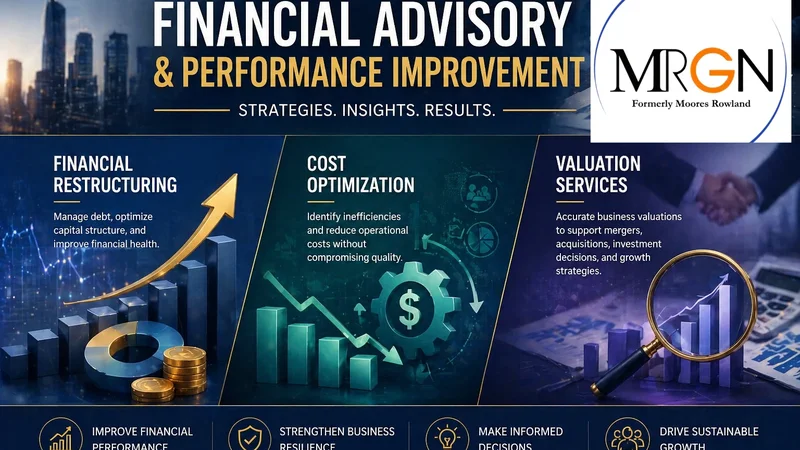
Financial Advisory and Performance Improvement: Driving Sustainable Business Value
In an increasingly competitive and uncertain economic environment, organizations must continuously refine their financial strategies to remain resilient and profitable. Financial advisory and per...
Read more
Leadership and Talent Management in a Competitive Business Landscape
In today’s rapidly changing business environment, organizations are recognizing that sustainable success depends not only on strategy and technology, but on people. Leadership and talent management...
Read more